Prevent Caregiver Burnout with Active Personal Care
Taking care of a loved one who has dementia, physical disabilities, or any of a thousand other age-related conditions is hard. It makes demand on your time, energy, and emotions. Over time, these demands take both a physical and a psychological toll on a person. This wear and tear can lead to caregiver burnout.
What is caregiver burnout? Caregiver burnout is a state of feeling exhausted, lethargic, and unable to cope with the burden of taking care of a loved one. It affects both you and your loved one. You may put aside your own health-related needs, like routine checkups. You might not find enough you time to decompress and recharge.
Caregiver burnout can cause you to make mistakes that could endanger a loved one, such as mismanaging their medications. You may also find yourself reacting more harshly or rashly than you normally would.
What are the Signs and Stages of Caregiver Burnout?
 Thriving: “I got this!”
As you begin your caregiving journey, you are ready for anything. You have a calm and steady demeanor. You can handle the day-to-day variations. Multitask? You bet. You can focus on your loved one while still balancing all your other tasks. Nothing can dissuade you. You are ready to be the rock your loved one needs!
 Surviving: “Um… Something isn’t right”
As your journey progresses, things may change and you might feel less capable. You go from thriving to just trying to survive. You become more sad and nervous. Your emotions are a roller coaster of ups and downs. You may have trouble sleeping or eating. Headaches, low energy, and muscle tension become a part of your daily routine. Your performance may become inconsistent, both with your caregiving and your personal life.
 Struggling: “I can’t keep this up”
If the cycle continues, you go from surviving to struggling. You start to experience persistent feelings of fear, panic, anxiety, anger, sadness and even hopelessness. Physically, feelings of exhaustion, fatigue, aches, and pain become your norm. You don’t sleep well, getting only restless, disruptive sleep.
 In Crisis: “I can’t survive this”
Without any help, you lose hope. You feel a constant, disabling distress and a complete loss of function. Panic attacks become a regular part of life. Sleep? A distant friend, only coming in sporadic bursts. These culminate in making careless mistakes and an inability to focus when needed most.
How can Active Personal Care Help
If you find yourself in any of the above categories, know first and foremost that YOU HAVE NOT FAILED. These feelings are 100% natural. Taking care of a loved one can be one of the most rewarding challenges in life. But it often is overwhelming and all consuming.
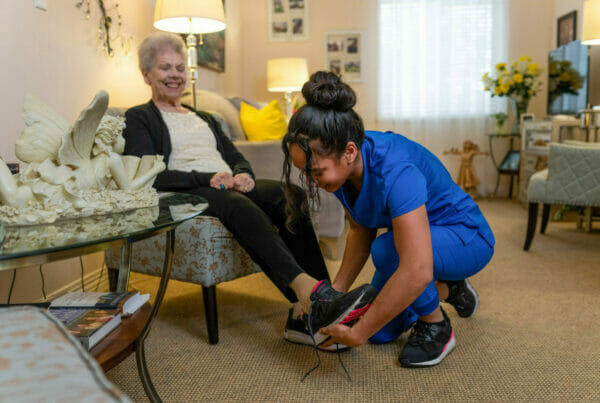
At Active Personal Care, we cannot stress enough that YOU ARE NOT ALONE. Our team of private duty nurses is here to help you recharge and find the balance that you need.

No matter the condition, Active Personal Care can provide:
- Bathing and Dressing Assistance
- Meal Preparation and Diet Monitoring
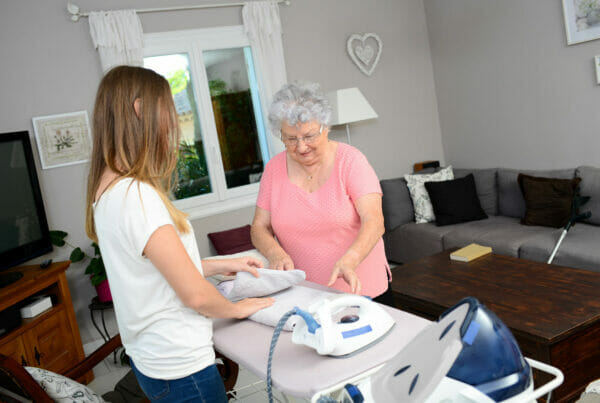
- Light Housekeeping and Laundry
- Errands and Grocery Shopping
- Medication Reminders and Administration
- Companionship Visits
- Safety Supervision
- Respite Care for Family Caregivers
- Medication Management and Vital Checks with our Nursing Staff
- And so much more!
Active Personal Care’s Tips to Prevent Caregiver Burnout
Balance is the key, but it is easier said than done! You must find the right balance of caregiving for your loved one and taking care of yourself. Some tips to consider are:
- Prepare for the future: Life is always a little easier when you can be proactive instead of reactive. Talk to your loved one now about how things might change in the future. Having a plan will empower you to embrace the future instead of scrambling to catch up.
- Recognize your reality: Knowing that things will change allows you to be easier on yourself. You might have to cut back on day-to-day tasks in order to provide better care for your loved one. You might not be in a situation now to do so. No matter what your reality is, it is yours and it is okay.
- Focus on the Positives: We are not saying that there will not be bad days. They will be there. But there will be plenty of good days too. Caregiving allows you to strengthen your relationships, connect more deeply with a person and even allows you to grow in ways you may have never thought possible.
- Take Time for Yourself: We would all like to be able to drop everything, every day to care for our loved ones. This isn’t a feasible or healthy approach. Make sure you are finding time each day for the things you love and enjoy.
Why Choose Active Personal Care?
Caregiving is one of the most challenging and rewarding tasks. Our loved ones have spent so much time and energy on us that we all want to give back when they need it. Despite our best efforts, sometimes it’s not enough. Caring can become overwhelming and even harmful to ourselves and our loved ones. Active Personal Care is here for those moments. Call us today to set up a free, in-home consultation and see how we can provide active support for your personal needs.